
לצפיה באתר בעברית

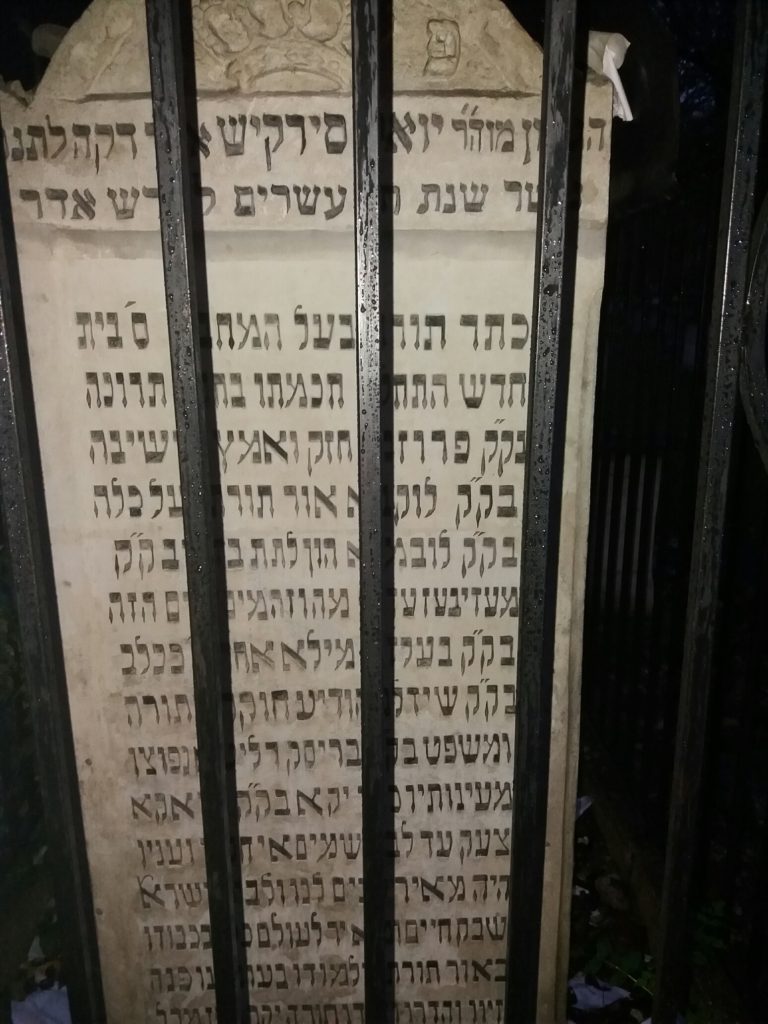
Rav Yoel Sirkis zt"l

הרב יואל בן שמואל יפה חסיד סירקיש זצ"ל

Adar 20 , 5401
Known As: Bach
Father's Name: Shmuel Yafeh Chassid Sirkis


Rav Yoel Sirkis zt"l

Rabbi of Krakow and author of the Bayit Chadash ("Bach") commentary on the great Halachic work, the Arba'ah Turim.
Served as Rav of Belz from שעב-שעד as he signs himself in his teshuvos Siman 78 as Rav of Belz.

Rav Chaim Meir Yechiel of Mogolintza used to say that any sick person who was brought within four amos of the Bach, as he sat and studied Torah, would be healed instantly.

They say that he was so poor and his wages as Rav in Belz were so meager that he could not afford to purchase candles and so at night he had no choice but to study and review by heart. The townsfolk however were not only stingy but also lacking in the attribute of judging others favorably and giving them the benefit of the doubt. When they saw that the windows of the Rav’s home were always dark at night they assumed he was asleep and concluded that “any Rabbi who isn’t up at night engaged in Torah study is not worthy of serving as the Rav in Belz.”

The Bach was invited to serve as Rav in Shidlov which he gladly accepted and as he left Belz behind he retorted back to the ungrateful citizens that “The reason why Sodom was overturned was not because Hashem couldn’t think of any other punishment. Rather Hashem punished them measure for measure. Their behavior was to overturn all manner of things upside down and backwards, for example, instead of worrying about the Rav’s livelihood and that their Rav should worry about their state of spirituality, they worried about his state of spirituality and whether he studied enough Torah and they thought the Rav should be the one to worry about the material state of the townsfolk and her poor! Therefore they were punished measure for measure and the city was overturned.

Afterwards he served as Rav in Brisk and from there as Rav of Cracow where he passed away 20 Adar תא and is buried in the ancient Bais HaChaim adjacent the Rema Shul, alongside other great Rabbonim such as the Rebbe Reb Heschel and the author of Maginei Shlomo.

Rav Dovid of Lelov once remarked that when the Bach passed away and ascended on High they honored him to say a derasha in the heavenly academy of Yeshiva Shel Maalah but he refused to accept the honor until they would cool off Gehinom for thirty days so that the wicked would enjoy the respite from their sufferings, first. And so they did. (cited from Intro to Shaar HaGilgulim)

Stories of Rav Yoel Sirkis zt"l

There is a well-known story that in Cracow, where the Bach was the chief Rav, there was a great, wealthy man who used to feed the poor in secret. Every week the poor of Cracow would come to the local butcher and baker and would be able to get free meat, bread and challos. No one in Cracow knew that the rich man was secretly funding this charity. In fact, to the outside world, the rich man appeared stingy and tight-fisted. When the charity collectors came around he ignored them (having given all his charity money to fund the poor people’s food). He continued in this way for many years; no one knew his secret. The townsfolk assumed he was just a wicked, stingy old man. The wealthy man liked it better this way, since he knew that any honor he would have received in this world detracted from his heavenly reward for charity.

One day, the old wealthy man passed away. The chevra kaddisha, knowing his openly wicked ways as a miser, dug his grave outside the cemetery gates, a spot reserved for the wicked. Even the shammas of the gravediggers gave the corpse’s backside a good slap and chuckled, saying, “Well, in your lifetime, you never gave any charity, so let’s see you be charitable in the grave!” The townsfolk disparaged the dead man with jeering, booing and hissing, and he was buried amidst insults and dishonor. Meanwhile, in Heaven, his judgment was to go straight to Gan Eden, bypassing the Soton’s accusations, for charity done in secret covers over all sins and iniquities, and further, he had shunned honor and suffered dishonor in death.

Meanwhile, the poor came in droves begging for food and sustenance from the butcher and baker. The butcher and baker turned them away empty-handed, explaining that they had been giving them charity from a secret donor who was no longer around. Then they realized who their true benefactor had been – all too late!

However, the Soton was given free reign to punish the townsfolk in Cracow for their dishonor of the truly righteous rich man. A great plague attacked the city and the death toll mounted daily. The city elders dispatched a representative to Rav Yoel Sirkis, mechaber of the Bach on the Tur.

“Please, holy, saintly Tzaddik! Save us and all of Cracow before we have no choice but to demote you from the position of chief Rav and choose someone who can save us!” he cried.

The Bach asked for three days. He prayed and asked Heaven to reveal the reason for the decree. When the Soton revealed to him the entire story, how the rich man had charitably sustained the poor in secret and how he had been buried in shame and disgrace, he quickly summoned the elders and the city council and explained the situation to them. Then he and the elders immediately went to the bais hachaim (cemetery). When they arrived at the cemetery to disinter and remove the rich man’s body and rebury him in honor, the shammas who had disparaged and ridiculed the corpse died on the spot. They buried him instead in the spot reserved for the wicked outside the cemetery gates. They then reburied the rich man in his proper place with honor befitting a Tzaddik.


Tehillim Leilui Nishmas Rav Yoel Sirkis
ידֶיךָ עָשׂוּנִי וַיְכוֹנְנוּנִי הֲבִינֵנִי וְאֶלְמְדָה מִצְוֹתֶיךָ: יְרֵאֶיךָ יִרְאוּנִי וְיִשְׂמָחוּ כִּי לִדְבָרְךָ יִחָלְתִּי: יָדַעְתִּי יְהוָה כִּי צֶדֶק מִשְׁפָּטֶיךָ וֶאֱמוּנָה עִנִּיתָנִי: יְהִי נָא חַסְדְּךָ לְנַחֲמֵנִי כְּאִמְרָתְךָ לְעַבְדֶּךָ: יְבֹאוּנִי רַחֲמֶיךָ וְאֶחְיֶה כִּי תוֹרָתְךָ שַׁעֲשֻׁעָי: יֵבֹשׁוּ זֵדִים כִּי שֶׁקֶר עִוְּתוּנִי אֲנִי אָשִׂיחַ בְּפִקּוּדֶיךָ: יָשׁוּבוּ לִי יְרֵאֶיךָ (וידעו) וְיֹדְעֵי עֵדֹתֶיךָ: יְהִי לִבִּי תָמִים בְּחֻקֶּיךָ לְמַעַן לֹא אֵבוֹשׁ: כָּלְתָה לִתְשׁוּעָתְךָ נַפְשִׁי לִדְבָרְךָ יִחָלְתִּי:

וִיבֹאֻנִי חֲסָדֶךָ יְהוָה תְּשׁוּעָתְךָ כְּאִמְרָתֶךָ: וְאֶעֱנֶה חֹרְפִי דָבָר כִּי בָטַחְתִּי בִּדְבָרֶךָ: וְאַל תַּצֵּל מִפִּי דְבַר אֱמֶת עַד מְאֹד כִּי לְמִשְׁפָּטֶךָ יִחָלְתִּי: וְאֶשְׁמְרָה תוֹרָתְךָ תָמִיד לְעוֹלָם וָעֶד: וְאֶתְהַלְּכָה בָרְחָבָה כִּי פִקֻּדֶיךָ דָרָשְׁתִּי: וַאֲדַבְּרָה בְעֵדֹתֶיךָ נֶגֶד מְלָכִים וְלֹא אֵבוֹשׁ: וְאֶשְׁתַּעֲשַׁע בְּמִצְוֹתֶיךָ אֲשֶׁר אָהָבְתִּי: וְאֶשָּׂא כַפַּי אֶל מִצְוֹתֶיךָ אֲשֶׁר אָהָבְתִּי וְאָשִׂיחָה בְחֻקֶּיךָ:

אַשְׁרֵי תְמִימֵי דָרֶךְ הַהֹלְכִים בְּתוֹרַת יְהוָה: אַשְׁרֵי נֹצְרֵי עֵדֹתָיו בְּכָל לֵב יִדְרְשׁוּהוּ: אַף לֹא פָעֲלוּ עַוְלָה בִּדְרָכָיו הָלָכוּ: אַתָּה צִוִּיתָה פִקֻּדֶיךָ לִשְׁמֹר מְאֹד: אַחֲלַי יִכֹּנוּ דְרָכָי לִשְׁמֹר חֻקֶּיךָ: אָז לֹא אֵבוֹשׁ בְּהַבִּיטִי אֶל כָּל מִצְוֹתֶיךָ: אוֹדְךָ בְּיֹשֶׁר לֵבָב בְּלָמְדִי מִשְׁפְּטֵי צִדְקֶךָ: אֶת חֻקֶּיךָ אֶשְׁמֹר אַל תַּעַזְבֵנִי עַד מְאֹד:

לְעוֹלָם יְהוָה דְּבָרְךָ נִצָּב בַּשָּׁמָיִם: לְדֹר וָדֹר אֱמוּנָתֶךָ כּוֹנַנְתָּ אֶרֶץ וַתַּעֲמֹד: לְמִשְׁפָּטֶיךָ עָמְדוּ הַיּוֹם כִּי הַכֹּל עֲבָדֶיךָ: לוּלֵי תוֹרָתְךָ שַׁעֲשֻׁעָי אָז אָבַדְתִּי בְעָנְיִי: לְעוֹלָם לֹא אֶשְׁכַּח פִּקּוּדֶיךָ כִּי בָם חִיִּיתָנִי: לְךָ אֲנִי הוֹשִׁיעֵנִי כִּי פִקּוּדֶיךָ דָרָשְׁתִּי: לִי קִוּוּ רְשָׁעִים לְאַבְּדֵנִי עֵדֹתֶיךָ אֶתְבּוֹנָן: לְכָל תִּכְלָה רָאִיתִי קֵץ רְחָבָה מִצְוָתְךָ מְאֹד:


בַּמֶּה יְזַכֶּה נַּעַר אֶת אָרְחוֹ לִשְׁמֹר כִּדְבָרֶךָ: בְּכָל לִבִּי דְרַשְׁתִּיךָ אַל תַּשְׁגֵּנִי מִמִּצְוֹתֶיךָ: בְּלִבִּי צָפַנְתִּי אִמְרָתֶךָ לְמַעַן לֹא אֶחֱטָא לָךְ: בָּרוּךְ אַתָּה יְהוָה לַמְּדֵנִי חֻקֶּיךָ: בִּשְׂפָתַי סִפַּרְתִּי כֹּל מִשְׁפְּטֵי פִיךָ: בְּדֶרֶךְ עֵדְוֹתֶיךָ שַׂשְׂתִּי כְּעַל כָּל הוֹן: בְּפִקֻּדֶיךָ אָשִׂיחָה וְאַבִּיטָה אֹרְחֹתֶיךָ: בְּחֻקֹּתֶיךָ אֶשְׁתַּעֲשָׁע לֹא אֶשְׁכַּח דְּבָרֶךָ:

נֵר לְרַגְלִי דְבָרֶךָ וְאוֹר לִנְתִיבָתִי: נִשְׁבַּעְתִּי וָאֲקַיֵּמָה לִשְׁמֹר מִשְׁפְּטֵי צִדְקֶךָ: נַעֲנֵיתִי עַד מְאֹד יְהוָה חַיֵּנִי כִדְבָרֶךָ: נִדְבוֹת פִּי רְצֵה נָא יְהוָה וּמִשְׁפָּטֶיךָ לַמְּדֵנִי: נַפְשִׁי בְכַפִּי תָמִיד וְתוֹרָתְךָ לֹא שָׁכָחְתִּי: נָתְנוּ רְשָׁעִים פַּח לִי וּמִפִּקּוּדֶיךָ לֹא תָעִיתִי: נָחַלְתִּי עֵדְוֹתֶיךָ לְעוֹלָם כִּי שְׂשׂוֹן לִבִּי הֵמָּה: נָטִיתִי לִבִּי לַעֲשׂוֹת חֻקֶּיךָ לְעוֹלָם עֵקֶב:


שָׂרִים רְדָפוּנִי חִנָּם (ומדבריך) וּמִדְּבָרְךָ פָּחַד לִבִּי: שָׂשׂ אָנֹכִי עַל אִמְרָתֶךָ כְּמוֹצֵא שָׁלָל רָב: שֶׁקֶר שָׂנֵאתִי וַאֲתַעֵבָה תּוֹרָתְךָ אָהָבְתִּי: שֶׁבַע בַּיּוֹם הִלַּלְתִּיךָ עַל מִשְׁפְּטֵי צִדְקֶךָ: שָׁלוֹם רָב לְאֹהֲבֵי תוֹרָתֶךָ וְאֵין לָמוֹ מִכְשׁוֹל: שִׂבַּרְתִּי לִישׁוּעָתְךָ יְהוָה וּמִצְוֹתֶיךָ עָשִׂיתִי: שָׁמְרָה נַפְשִׁי עֵדֹתֶיךָ וָאֹהֲבֵם מְאֹד: שָׁמַרְתִּי פִקּוּדֶיךָ וְעֵדֹתֶיךָ כִּי כָל דְּרָכַי נֶגְדֶּךָ:

מָה אָהַבְתִּי תוֹרָתֶךָ כָּל הַיּוֹם הִיא שִׂיחָתִי: מֵאֹיְבַי תְּחַכְּמֵנִי מִצְוֹתֶךָ כִּי לְעוֹלָם הִיא לִי: מִכָּל מְלַמְּדַי הִשְׂכַּלְתִּי כִּי עֵדְוֹתֶיךָ שִׂיחָה לִֿי: מִזְּקֵנִים אֶתְבּוֹנָן כִּי פִקּוּדֶיךָ נָצָרְתִּי: מִכָּל אֹרַח רָע כָּלִאתִי רַגְלָי לְמַעַן אֶשְׁמֹר דְּבָרֶךָ: מִמִּשְׁפָּטֶיךָ לֹא סָרְתִּי כִּי אַתָּה הוֹרֵתָנִי: מַה נִּמְלְצוּ לְחִכִּי אִמְרָתֶךָ מִדְּבַשׁ לְפִי: מִפִּקּוּדֶיךָ אֶתְבּוֹנָן עַל כֵּן שָׂנֵאתִי כָּל אֹרַח שָׁקֶר:

וִיבֹאֻנִי חֲסָדֶךָ יְהוָה תְּשׁוּעָתְךָ כְּאִמְרָתֶךָ: וְאֶעֱנֶה חֹרְפִי דָבָר כִּי בָטַחְתִּי בִּדְבָרֶךָ: וְאַל תַּצֵּל מִפִּי דְבַר אֱמֶת עַד מְאֹד כִּי לְמִשְׁפָּטֶךָ יִחָלְתִּי: וְאֶשְׁמְרָה תוֹרָתְךָ תָמִיד לְעוֹלָם וָעֶד: וְאֶתְהַלְּכָה בָרְחָבָה כִּי פִקֻּדֶיךָ דָרָשְׁתִּי: וַאֲדַבְּרָה בְעֵדֹתֶיךָ נֶגֶד מְלָכִים וְלֹא אֵבוֹשׁ: וְאֶשְׁתַּעֲשַׁע בְּמִצְוֹתֶיךָ אֲשֶׁר אָהָבְתִּי: וְאֶשָּׂא כַפַּי אֶל מִצְוֹתֶיךָ אֲשֶׁר אָהָבְתִּי וְאָשִׂיחָה בְחֻקֶּיךָ:

אַשְׁרֵי תְמִימֵי דָרֶךְ הַהֹלְכִים בְּתוֹרַת יְהוָה: אַשְׁרֵי נֹצְרֵי עֵדֹתָיו בְּכָל לֵב יִדְרְשׁוּהוּ: אַף לֹא פָעֲלוּ עַוְלָה בִּדְרָכָיו הָלָכוּ: אַתָּה צִוִּיתָה פִקֻּדֶיךָ לִשְׁמֹר מְאֹד: אַחֲלַי יִכֹּנוּ דְרָכָי לִשְׁמֹר חֻקֶּיךָ: אָז לֹא אֵבוֹשׁ בְּהַבִּיטִי אֶל כָּל מִצְוֹתֶיךָ: אוֹדְךָ בְּיֹשֶׁר לֵבָב בְּלָמְדִי מִשְׁפְּטֵי צִדְקֶךָ: אֶת חֻקֶּיךָ אֶשְׁמֹר אַל תַּעַזְבֵנִי עַד מְאֹד:

לְעוֹלָם יְהוָה דְּבָרְךָ נִצָּב בַּשָּׁמָיִם: לְדֹר וָדֹר אֱמוּנָתֶךָ כּוֹנַנְתָּ אֶרֶץ וַתַּעֲמֹד: לְמִשְׁפָּטֶיךָ עָמְדוּ הַיּוֹם כִּי הַכֹּל עֲבָדֶיךָ: לוּלֵי תוֹרָתְךָ שַׁעֲשֻׁעָי אָז אָבַדְתִּי בְעָנְיִי: לְעוֹלָם לֹא אֶשְׁכַּח פִּקּוּדֶיךָ כִּי בָם חִיִּיתָנִי: לְךָ אֲנִי הוֹשִׁיעֵנִי כִּי פִקּוּדֶיךָ דָרָשְׁתִּי: לִי קִוּוּ רְשָׁעִים לְאַבְּדֵנִי עֵדֹתֶיךָ אֶתְבּוֹנָן: לְכָל תִּכְלָה רָאִיתִי קֵץ רְחָבָה מִצְוָתְךָ מְאֹד:


ידֶיךָ עָשׂוּנִי וַיְכוֹנְנוּנִי הֲבִינֵנִי וְאֶלְמְדָה מִצְוֹתֶיךָ: יְרֵאֶיךָ יִרְאוּנִי וְיִשְׂמָחוּ כִּי לִדְבָרְךָ יִחָלְתִּי: יָדַעְתִּי יְהוָה כִּי צֶדֶק מִשְׁפָּטֶיךָ וֶאֱמוּנָה עִנִּיתָנִי: יְהִי נָא חַסְדְּךָ לְנַחֲמֵנִי כְּאִמְרָתְךָ לְעַבְדֶּךָ: יְבֹאוּנִי רַחֲמֶיךָ וְאֶחְיֶה כִּי תוֹרָתְךָ שַׁעֲשֻׁעָי: יֵבֹשׁוּ זֵדִים כִּי שֶׁקֶר עִוְּתוּנִי אֲנִי אָשִׂיחַ בְּפִקּוּדֶיךָ: יָשׁוּבוּ לִי יְרֵאֶיךָ (וידעו) וְיֹדְעֵי עֵדֹתֶיךָ: יְהִי לִבִּי תָמִים בְּחֻקֶּיךָ לְמַעַן לֹא אֵבוֹשׁ: כָּלְתָה לִתְשׁוּעָתְךָ נַפְשִׁי לִדְבָרְךָ יִחָלְתִּי:

פְּלָאוֹת עֵדְוֹתֶיךָ עַל כֵּן נְצָרָתַם נַפְשִׁי: פֵּתַח דְּבָרֶיךָ יָאִיר מֵבִין פְּתָיִים: פִּי פָעַרְתִּי וָאֶשְׁאָפָה כִּי לְמִצְוֹתֶיךָ יָאָבְתִּי: פְּנֵה אֵלַי וְחָנֵּנִי כְּמִשְׁפָּט לְאֹהֲבֵי שְׁמֶךָ: פְּעָמַי הָכֵן בְּאִמְרָתֶךָ וְאַל תַּשְׁלֶט בִּי כָל אָוֶן: פְּדֵנִי מֵעֹשֶׁק אָדָם וְאֶשְׁמְרָה פִּקּוּדֶיךָ: פָּנֶיךָ הָאֵר בְּעַבְדֶּךָ וְלַמְּדֵנִי אֶת חֻקֶּיךָ: פַּלְגֵי מַיִם יָרְדוּ עֵינָי עַל לֹא שָׁמְרוּ תוֹרָתֶךָ

הֲבִינֵנִי וְאֶצְּרָה תוֹרָתֶךָ וְאֶשְׁמְרֶנָּה בְכָל לֵב: הַדְרִיכֵנִי בִּנְתִיב מִצְוֹתֶיךָ כִּי בוֹ חָפָצְתִּי: הַט לִבִּי אֶל עֵדְוֹתֶיךָ וְאַל אֶל בָּצַע: הַעֲבֵר עֵינַי מֵרְאוֹת שָׁוְא בִּדְרָכֶךָ חַיֵּנִי: הָקֵם לְעַבְדְּךָ אִמְרָתֶךָ אֲשֶׁר לְיִרְאָתֶךָ: הַעֲבֵר חֶרְפָּתִי אֲשֶׁר יָגֹרְתִּי כִּי מִשְׁפָּטֶיךָ טוֹבִים: הִנֵּה תָּאַבְתִּי לְפִקֻּדֶיךָ בְּצִדְקָתְךָ חַיֵּנִי:


חֶלְקִי יְהוָה אָמַרְתִּי לִשְׁמֹר דְּבָרֶיךָ: חִלִּיתִי פָנֶיךָ בְכָל לֵב חָנֵּנִי כְּאִמְרָתֶךָ: חִשַּׁבְתִּי דְרָכָי וָאָשִׁיבָה רַגְלַי אֶל עֵדֹתֶיךָ: חַשְׁתִּי וְלֹא הִתְמַהְמָהְתִּי לִשְׁמֹר מִצְוֹתֶיךָ: חֶבְלֵי רְשָׁעִים עִוְּדֻנִי תּוֹרָתְךָ לֹא שָׁכָחְתִּי: חֲצוֹת לַיְלָה אָקוּם לְהוֹדוֹת לָךְ עַל מִשְׁפְּטֵי צִדְקֶךָ: חָבֵר אָנִי לְכָל אֲשֶׁר יְרֵאוּךָ וּלְשֹׁמְרֵי פִּקּוּדֶיךָ: חַסְדְּךָ יְהוָה מָלְאָה הָאָרֶץ חֻקֶּיךָ לַמְּדֵנִי:

סֵעֲפִים שָׂנֵאתִי וְתוֹרָתְךָ אָהָבְתִּי: סִתְרִי וּמָגִנִּי אָתָּה לִדְבָרְךָ יִחָלְתִּי: סוּרוּ מִמֶּנִּי מְרֵעִים וְאֶצְּרָה מִצְוֹת אֱלֹהָי: סָמְכֵנִי כְאִמְרָתְךָ וְאֶחְיֶה וְאַל תְּבִישֵׁנִי מִשִּׂבְרִי: סְעָדֵנִי וְאִוָּשֵׁעָה וְאֶשְׁעָה בְחֻקֶּיךָ תָמִיד: סָלִיתָ כָּל שׁוֹגִים מֵחֻקֶּיךָ כִּי שֶׁקֶר תַּרְמִיתָם: סִגִים הִשְׁבַּתָּ כָל רִשְׁעֵי אָרֶץ לָכֵן אָהַבְתִּי עֵדֹתֶיךָ: סָמַר מִפַּחְדְּךָ בְשָׂרִי וּמִמִּשְׁפָּטֶיךָ יָרֵאתִי:

ידֶיךָ עָשׂוּנִי וַיְכוֹנְנוּנִי הֲבִינֵנִי וְאֶלְמְדָה מִצְוֹתֶיךָ: יְרֵאֶיךָ יִרְאוּנִי וְיִשְׂמָחוּ כִּי לִדְבָרְךָ יִחָלְתִּי: יָדַעְתִּי יְהוָה כִּי צֶדֶק מִשְׁפָּטֶיךָ וֶאֱמוּנָה עִנִּיתָנִי: יְהִי נָא חַסְדְּךָ לְנַחֲמֵנִי כְּאִמְרָתְךָ לְעַבְדֶּךָ: יְבֹאוּנִי רַחֲמֶיךָ וְאֶחְיֶה כִּי תוֹרָתְךָ שַׁעֲשֻׁעָי: יֵבֹשׁוּ זֵדִים כִּי שֶׁקֶר עִוְּתוּנִי אֲנִי אָשִׂיחַ בְּפִקּוּדֶיךָ: יָשׁוּבוּ לִי יְרֵאֶיךָ (וידעו) וְיֹדְעֵי עֵדֹתֶיךָ: יְהִי לִבִּי תָמִים בְּחֻקֶּיךָ לְמַעַן לֹא אֵבוֹשׁ: כָּלְתָה לִתְשׁוּעָתְךָ נַפְשִׁי לִדְבָרְךָ יִחָלְתִּי:

דָּבְקָה לֶעָפָר נַפְשִׁי חַיֵּנִי כִּדְבָרֶךָ: דְּרָכַי סִפַּרְתִּי וַתַּעֲנֵנִי לַמְּדֵנִי חֻקֶּיךָ: דֶּרֶךְ פִּקּוּדֶיךָ הֲבִינֵנִי וְאָשִׂיחָה בְּנִפְלְאוֹתֶיךָ: דָּלְפָה נַפְשִׁי מִתּוּגָה קַיְּמֵנִי כִּדְבָרֶךָ: דֶּרֶךְ שֶׁקֶר הָסֵר מִמֶּנִּי וְתוֹרָתְךָ חָנֵּנִי: דֶּרֶךְ אֱמוּנָה בָחָרְתִּי מִשְׁפָּטֶיךָ שִׁוִּיתִי: דָּבַקְתִּי בְעֵדְוֹתֶיךָ יְהוָה אַל תְּבִישֵׁנִי: דֶּרֶךְ מִצְוֹתֶיךָ אָרוּץ כִּי תַרְחִיב לִבִּי: הוֹרֵנִי יְהוָה דֶּרֶךְ חֻקֶּיךָ וְאֶצְּרֶנָּה עֵקֶב:


נֵר לְרַגְלִי דְבָרֶךָ וְאוֹר לִנְתִיבָתִי: נִשְׁבַּעְתִּי וָאֲקַיֵּמָה לִשְׁמֹר מִשְׁפְּטֵי צִדְקֶךָ: נַעֲנֵיתִי עַד מְאֹד יְהוָה חַיֵּנִי כִדְבָרֶךָ: נִדְבוֹת פִּי רְצֵה נָא יְהוָה וּמִשְׁפָּטֶיךָ לַמְּדֵנִי: נַפְשִׁי בְכַפִּי תָמִיד וְתוֹרָתְךָ לֹא שָׁכָחְתִּי: נָתְנוּ רְשָׁעִים פַּח לִי וּמִפִּקּוּדֶיךָ לֹא תָעִיתִי: נָחַלְתִּי עֵדְוֹתֶיךָ לְעוֹלָם כִּי שְׂשׂוֹן לִבִּי הֵמָּה: נָטִיתִי לִבִּי לַעֲשׂוֹת חֻקֶּיךָ לְעוֹלָם עֵקֶב:

שָׂרִים רְדָפוּנִי חִנָּם (ומדבריך) וּמִדְּבָרְךָ פָּחַד לִבִּי: שָׂשׂ אָנֹכִי עַל אִמְרָתֶךָ כְּמוֹצֵא שָׁלָל רָב: שֶׁקֶר שָׂנֵאתִי וַאֲתַעֵבָה תּוֹרָתְךָ אָהָבְתִּי: שֶׁבַע בַּיּוֹם הִלַּלְתִּיךָ עַל מִשְׁפְּטֵי צִדְקֶךָ: שָׁלוֹם רָב לְאֹהֲבֵי תוֹרָתֶךָ וְאֵין לָמוֹ מִכְשׁוֹל: שִׂבַּרְתִּי לִישׁוּעָתְךָ יְהוָה וּמִצְוֹתֶיךָ עָשִׂיתִי: שָׁמְרָה נַפְשִׁי עֵדֹתֶיךָ וָאֹהֲבֵם מְאֹד: שָׁמַרְתִּי פִקּוּדֶיךָ וְעֵדֹתֶיךָ כִּי כָל דְּרָכַי נֶגְדֶּךָ:

מָה אָהַבְתִּי תוֹרָתֶךָ כָּל הַיּוֹם הִיא שִׂיחָתִי: מֵאֹיְבַי תְּחַכְּמֵנִי מִצְוֹתֶךָ כִּי לְעוֹלָם הִיא לִי: מִכָּל מְלַמְּדַי הִשְׂכַּלְתִּי כִּי עֵדְוֹתֶיךָ שִׂיחָה לִֿי: מִזְּקֵנִים אֶתְבּוֹנָן כִּי פִקּוּדֶיךָ נָצָרְתִּי: מִכָּל אֹרַח רָע כָּלִאתִי רַגְלָי לְמַעַן אֶשְׁמֹר דְּבָרֶךָ: מִמִּשְׁפָּטֶיךָ לֹא סָרְתִּי כִּי אַתָּה הוֹרֵתָנִי: מַה נִּמְלְצוּ לְחִכִּי אִמְרָתֶךָ מִדְּבַשׁ לְפִי: מִפִּקּוּדֶיךָ אֶתְבּוֹנָן עַל כֵּן שָׂנֵאתִי כָּל אֹרַח שָׁקֶר:

הֲבִינֵנִי וְאֶצְּרָה תוֹרָתֶךָ וְאֶשְׁמְרֶנָּה בְכָל לֵב: הַדְרִיכֵנִי בִּנְתִיב מִצְוֹתֶיךָ כִּי בוֹ חָפָצְתִּי: הַט לִבִּי אֶל עֵדְוֹתֶיךָ וְאַל אֶל בָּצַע: הַעֲבֵר עֵינַי מֵרְאוֹת שָׁוְא בִּדְרָכֶךָ חַיֵּנִי: הָקֵם לְעַבְדְּךָ אִמְרָתֶךָ אֲשֶׁר לְיִרְאָתֶךָ: הַעֲבֵר חֶרְפָּתִי אֲשֶׁר יָגֹרְתִּי כִּי מִשְׁפָּטֶיךָ טוֹבִים: הִנֵּה תָּאַבְתִּי לְפִקֻּדֶיךָ בְּצִדְקָתְךָ חַיֵּנִי:

Sign In

Register

Reset Password

Please enter your username or email address, you will receive a link to create a new password via email.